From Skye to Aberdeenshire: Apparently I Needed More Projects
It has been a while since I posted a proper update, mainly because the last few months have involved moving house, trying to finish another master’s degree, continuing to work full-time and discovering that owning four acres is an extremely effective way of preventing boredom.
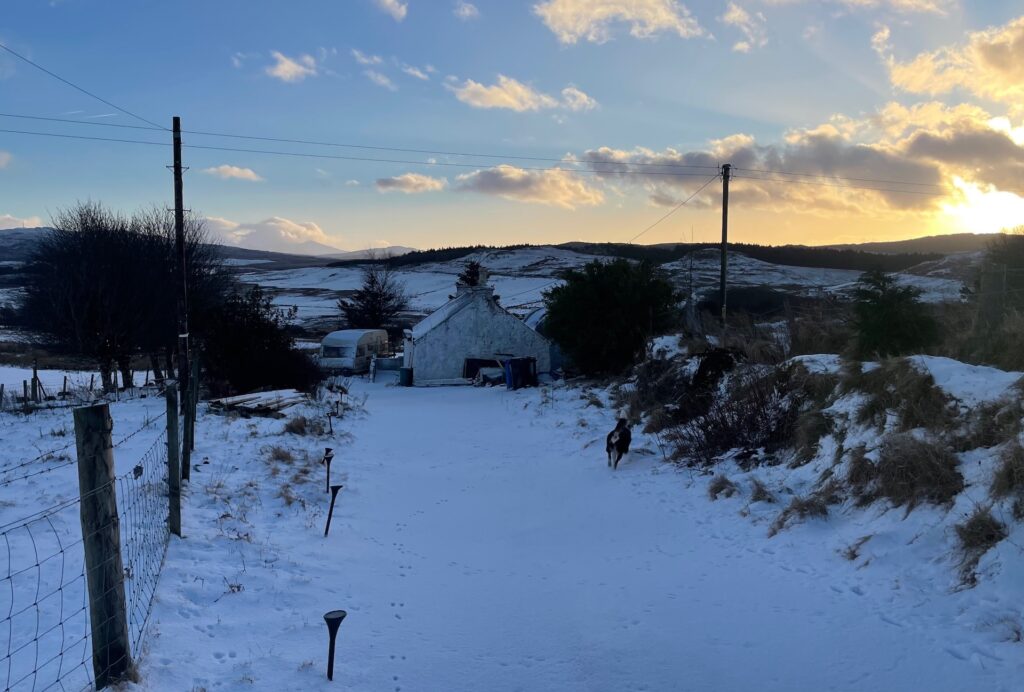
The main news is that I have left the Isle of Skye and moved to Aberdeenshire.
Leaving Skye was a significant change. It had been home for an important part of my life and was closely tied to my work, community involvement and various plans that seemed perfectly manageable when written in a notebook. As is traditional, many of those plans became considerably more complicated once reality was introduced.
The move itself marked the end of one chapter, although not my connection with the Highlands and Islands. I still work with UHI North, West and Hebrides, so I remain closely involved with the region through teaching, programme development and supporting students across a widely distributed area.
I have simply exchanged living in the Highlands and Islands and remotely explaining why someone’s code definitely worked yesterday for explaining remotely in Aberdeenshire why someone’s code definitely worked yesterday.
The New Place
The new property comes with approximately four acres of land encompassing two fields, a workshop, three stables and a small bothy, plus the house.
This is excellent news because I have always felt that what my life was missing was more buildings requiring maintenance.
The property gives me far more space than I had before and creates opportunities for projects involving food growing, chickens, polytunnels, workshops and better use of the existing outbuildings. At the moment, most of these ideas remain in the highly successful planning phase, where everything is affordable, achievable and can apparently be completed during a free weekend.
Reality will be introduced gradually.
For now, the sensible approach is to settle in, learn how the property works and decide which jobs genuinely need to be done first. This is particularly important because four acres can produce a surprisingly long task list without making any visible effort.
There are gates to consider, buildings to organise, land to understand and spaces that could potentially be repurposed. Some projects will be practical and carefully planned. Others will begin with me staring at an empty building and saying, “There must be something useful I can do with that.”
History suggests this is how storage problems are created.
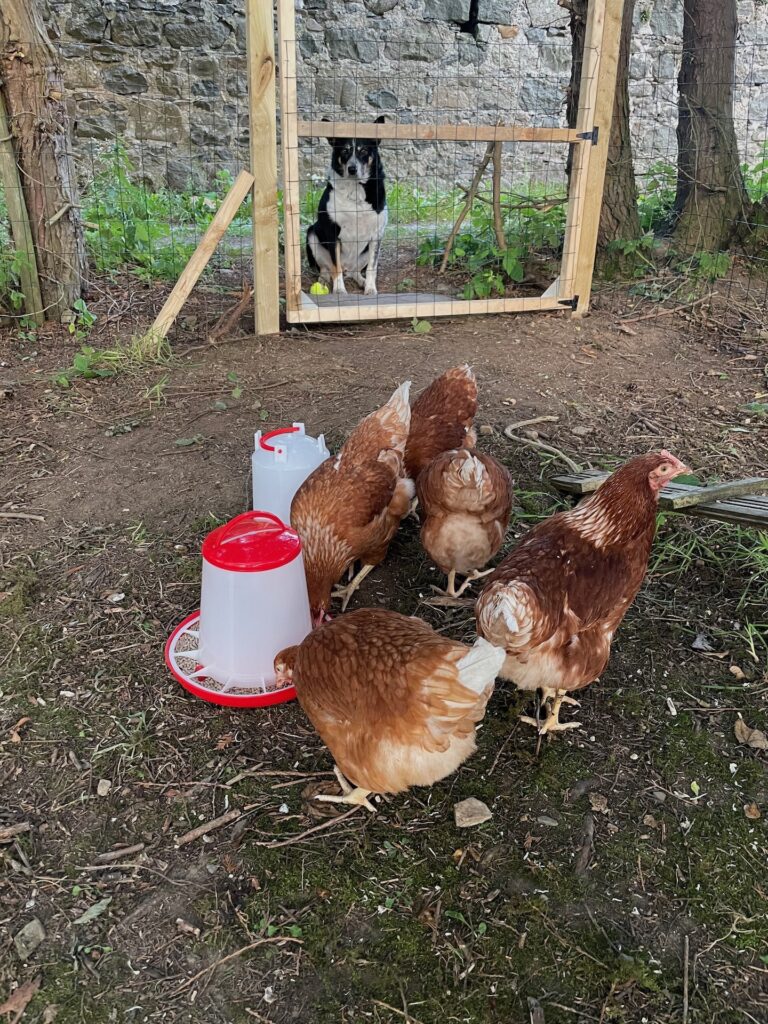
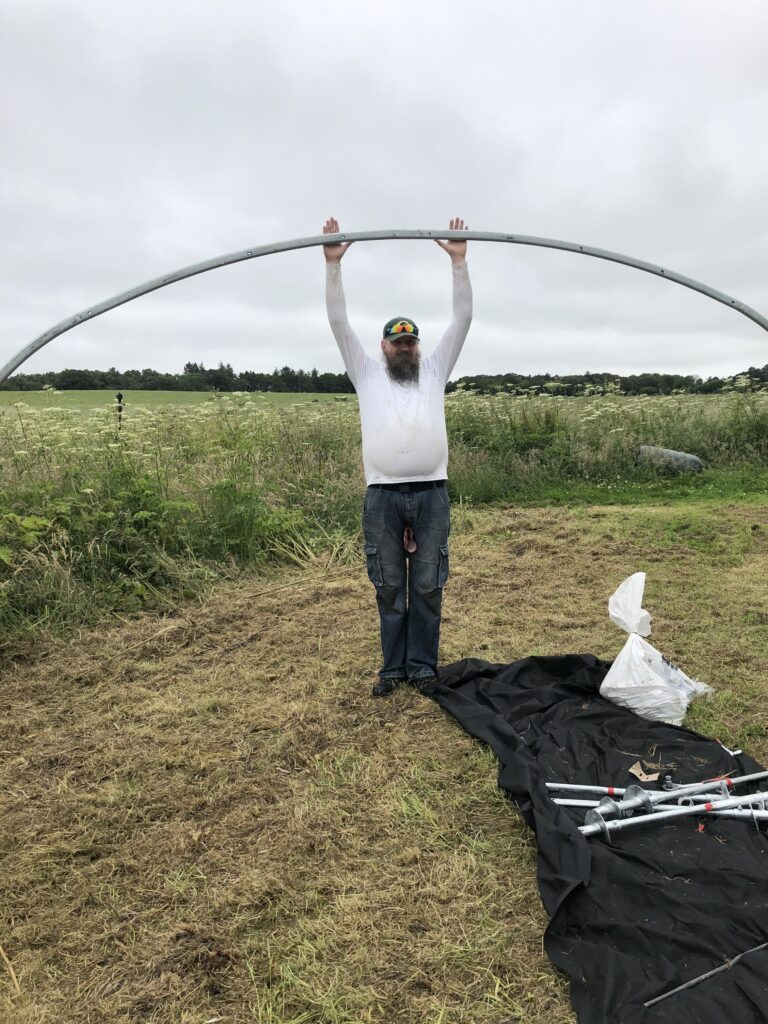
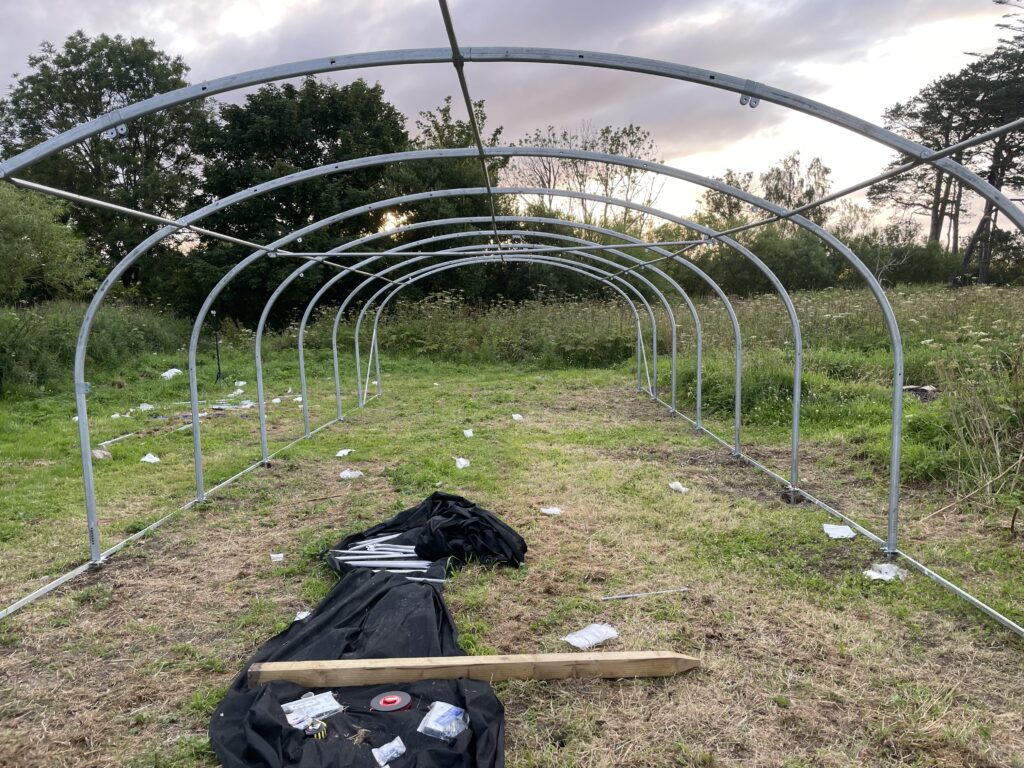
But some go beyond planning; say hello to my chickens! And my Polytunnel frame, which took 3 attempts to build and a small rewrite of the installation manual to sort out some conflicts between the text and the demonstration video… and one healthy bit of common sense (Square the whole rectangle, not sections of it where errors accumulate!)
Work Continues
Professionally, I continue to work in computing education with UHI North, West and Hebrides.
My work spans school, further education and higher education provision, covering areas including programming, software development, databases, cybersecurity and mobile application development.
A significant part of the role involves developing courses and supporting learners across rural and geographically dispersed communities. Remote and distributed teaching remains especially important in areas where attending a traditional campus is not always practical.
This means I continue to spend a healthy proportion of my time teaching, developing learning materials, solving technical problems and investigating why software has chosen that particular moment to behave differently from the previous twelve demonstrations.
The move has also required me to rethink my home office. I am currently converting a 12 m² room into a proper working space for teaching, research, programming, and electronics.
The room has two doors and two windows on opposite walls, which is apparently considered excessive by anyone attempting to design around them.
The aim is to create something comfortable and functional for the next academic year, with enough space for my standing desk, computing equipment and the steadily expanding collection of devices that I continue to insist are useful.
One Degree Finished, Another Resumed
Academically, I completed my MSc in Computer Science with Artificial Intelligence last year.
The dissertation explored how artificial intelligence, synthetic educational data and learning theory could be combined to support personalised pathways between secondary and tertiary education.
Completing it was a major milestone and also confirmed that the natural response to finishing a master’s degree is to return immediately to the other master’s degree that had been paused.
I have therefore resumed my MEd in Tertiary and Higher Education.
The focus of my current work is moving back towards education, learner experience and the ways in which people enter and progress through further and higher education. I am particularly interested in recognition of prior learning, alternative pathways and how technology might support learners whose knowledge and experience do not fit neatly into conventional admissions systems.
In simple terms, I am interested in how education can better recognise what people already know, rather than requiring them to prove it repeatedly through increasingly creative administrative processes. And this final submission for this is due… in 5 days
New Research Ideas
I have also begun exploring possible future research around sustainability and computing education.
One developing idea is a green coding assessment rubric: a practical tool for assessing whether students understand and apply sustainable software-development principles.
There is growing awareness that software and digital infrastructure have environmental costs. However, there is still relatively little practical guidance on how sustainable programming should be assessed within further and higher education.
The intention would be to develop and validate a rubric covering areas such as algorithmic efficiency, resource awareness, data management and sustainable software design.
It remains an early-stage idea, which means it is currently ambitious, uncomplicated and has not yet encountered reviewers.
Galleon Acre, Reconsidered
Some people may remember the original idea behind Galleon Acre: documenting the process of developing a small piece of land towards greater self-sufficiency.
The location and circumstances have now changed, but the underlying idea still fits.
In fact, the new property offers more land, more buildings and considerably more opportunities to discover that a job requires a tool I do not yet own, and trust me.. I’ve already bought a load of new tools since moving.
I am therefore considering how the project might evolve rather than abandoning it. The emphasis would still be on developing the land, producing more food, learning practical skills and documenting both the successes and the inevitable moments where the plan and the outcome become loosely acquainted. I’m sitting with tb’s of video footage waiting to be made into episodes for the youtube channel already since the move, All with terrible audio it seems, but we’ll solve that when it comes time to get them edited and uploaded.
There is no fixed timetable yet. I want to understand the property first and avoid the common mistake of beginning twelve major projects simultaneously.
I will probably begin six.
What Comes Next?
For now, the priority is settling into Aberdeenshire, organising the house and land, preparing for the next academic year and finishing with the MEd (Five more days! Five more Days!).
There will also be research, programming, electronics and various property projects competing for attention.
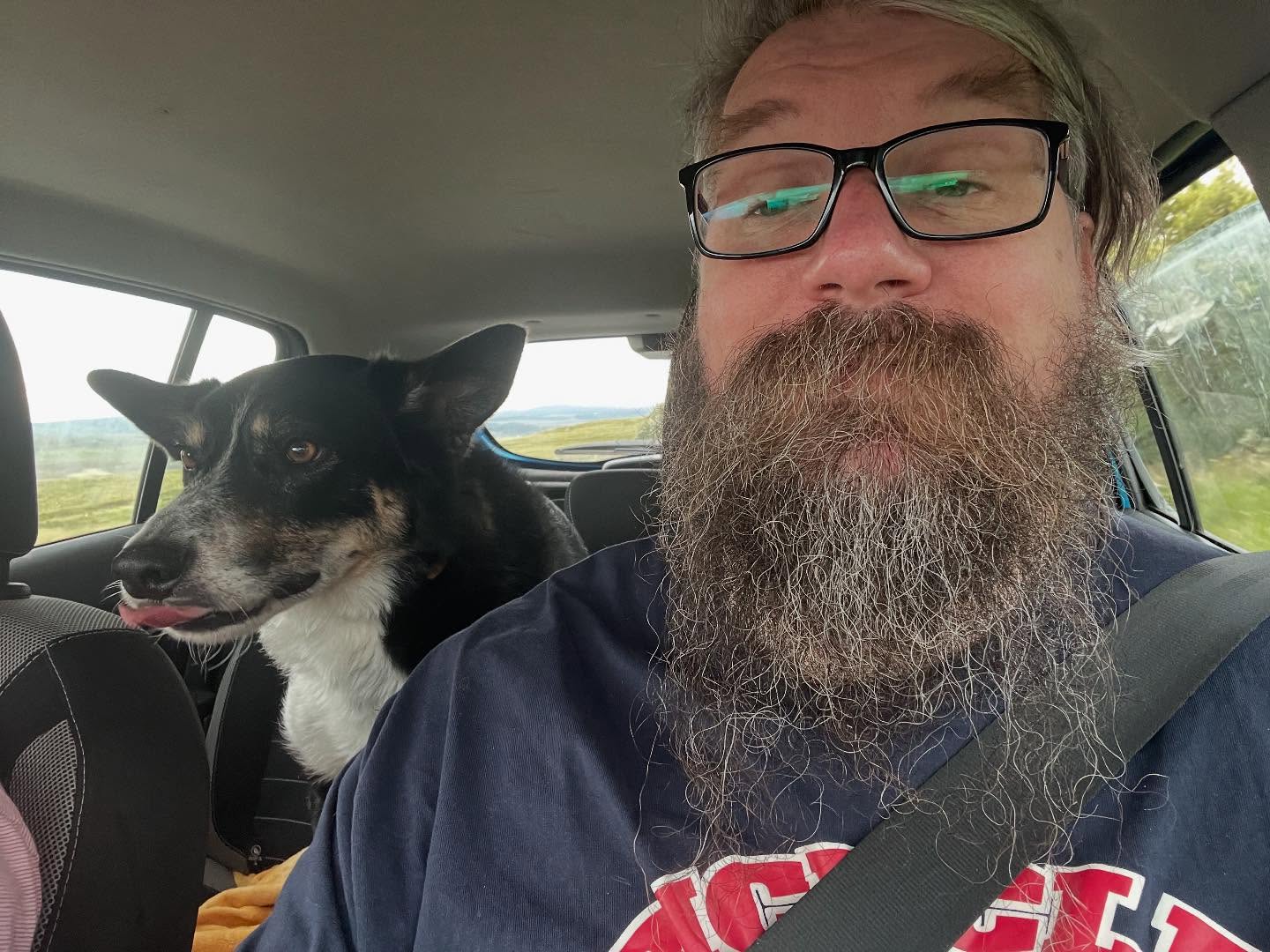
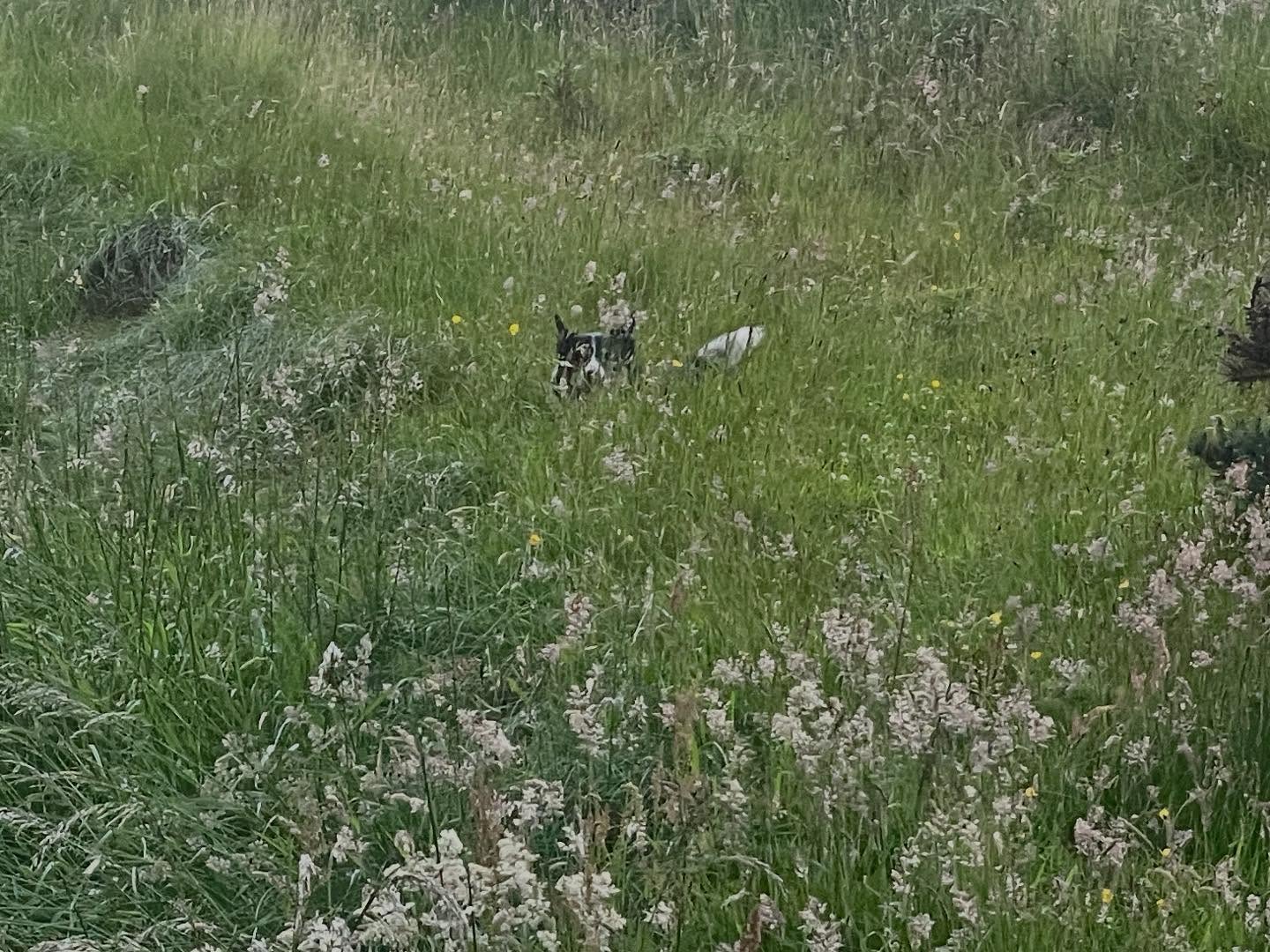
Rusty, meanwhile, appears to have accepted the move on the basis that the new arrangement includes fields and new friends!
Moving away from Skye was a major decision, but it has created space for a different kind of future. Many of my interests remain unchanged: education, technology, sustainability, rural life and the persistent belief that another project can always be fitted into the schedule.
The scenery has changed.
The workload has not received the memo.